


Custom wine room
made to order
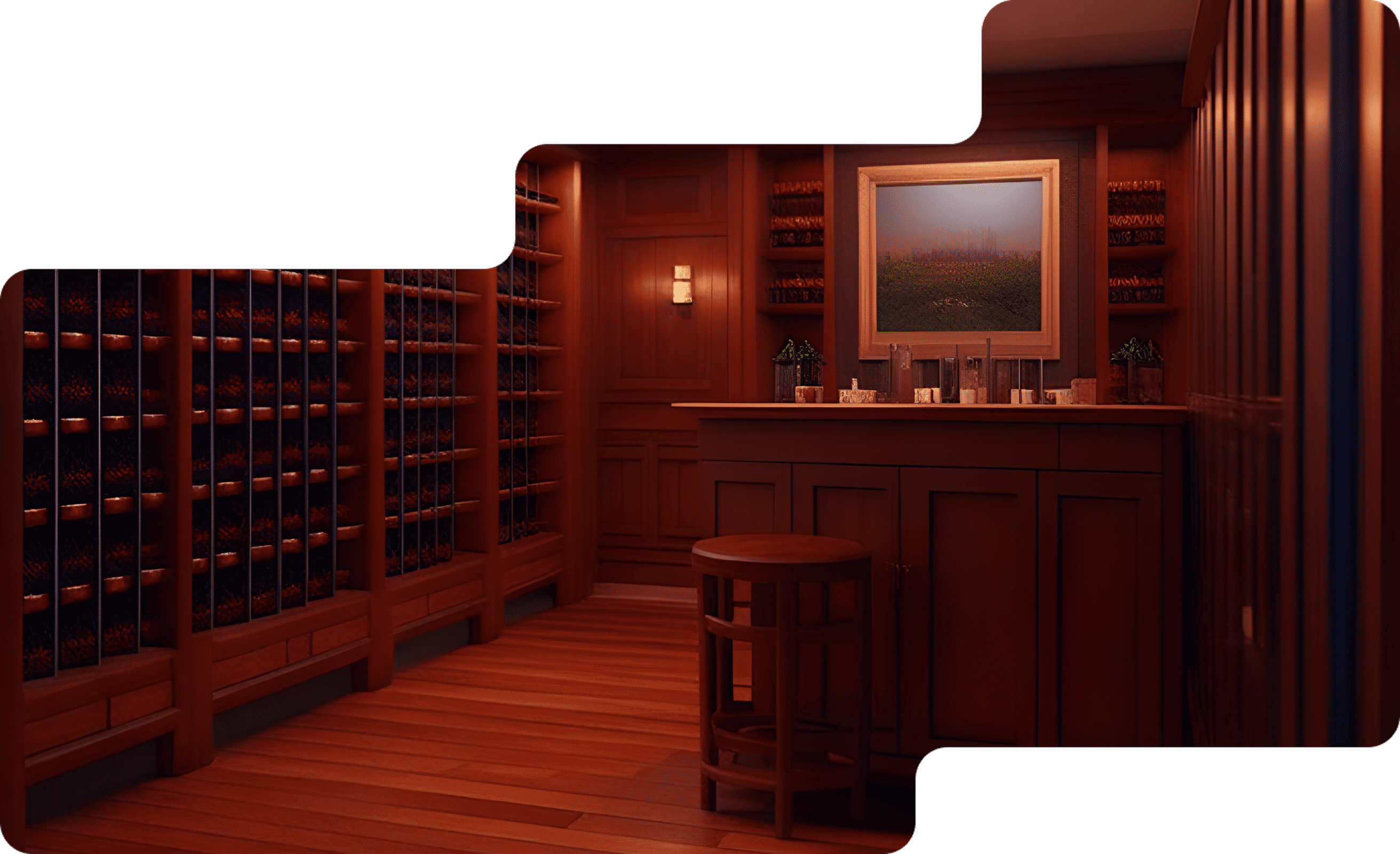
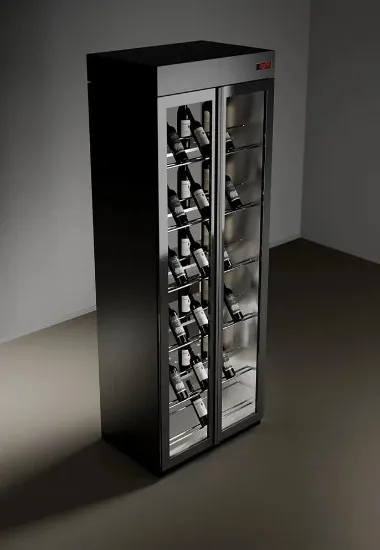
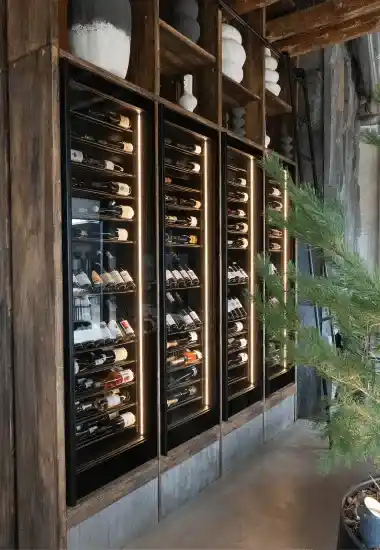
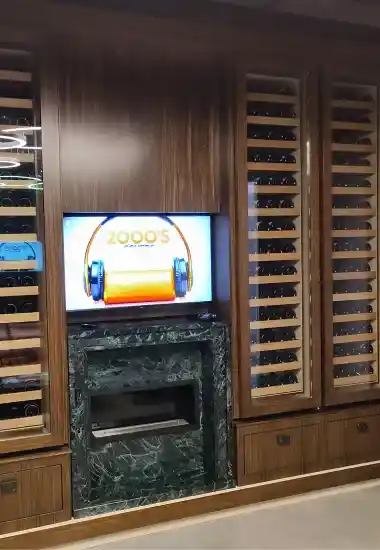
A wine room is not just storage — it’s a thoughtfully designed space where aesthetics meet ideal aging conditions. Many enthusiasts start with a wine cabinet, but as the collection grows, a custom wine room becomes the logical next step: it provides a stable microclimate, convenient bottle navigation, and an impressive presentation for tastings and hosting guests.
What is a wine room?
A wine room is a dedicated space where optimal parameters are maintained: temperature, humidity, ventilation, and absence of vibrations. A properly designed climate control system ensures correct long-term storage, so each bottle reaches its full potential at the right moment.
A wine room in a home is designed around the architecture of the space and the owner’s lifestyle. We create solutions for apartments, cottages, and townhouses:
- precise climate regulation for long-term aging;
- ergonomic front-facing racks so labels are visible;
- soft lighting without overheating the bottles;
- vibration and noise insulation for equipment.
This solution makes it possible to recreate cellar-like conditions in places where an underground wine storage is physically impossible.
A wine room can be arranged in a private house without a cellar or even in an apartment, using a utility room, pantry, or spare room.
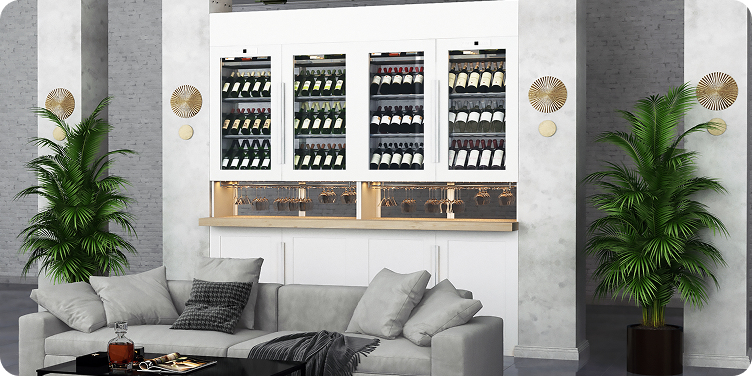
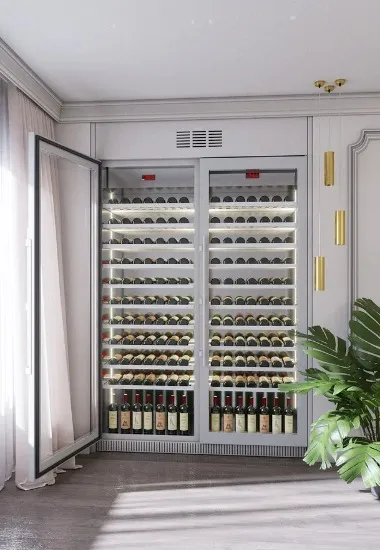
You can see examples of how wine collections can be integrated into apartments in our selection of wine room visualizations.
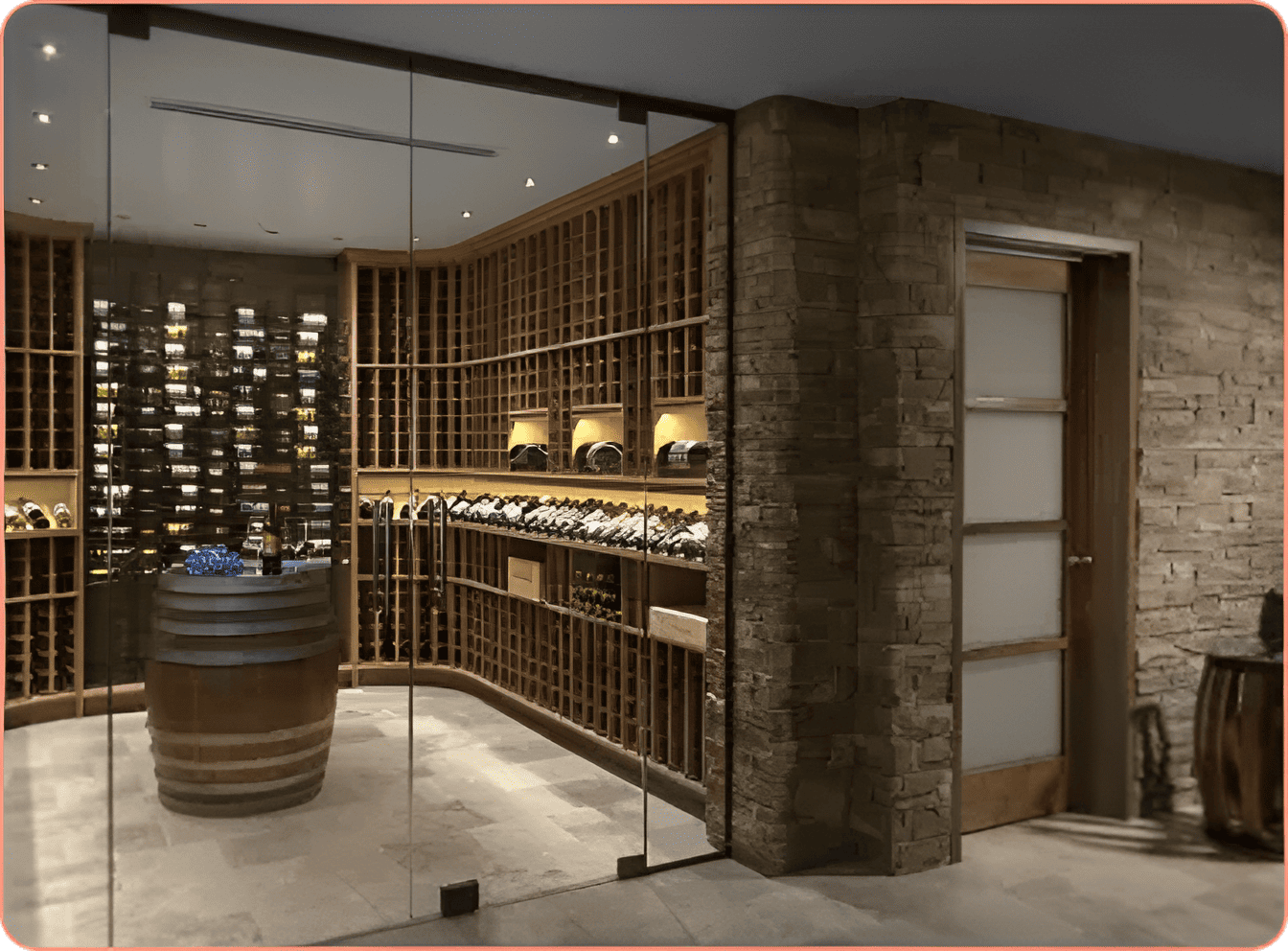
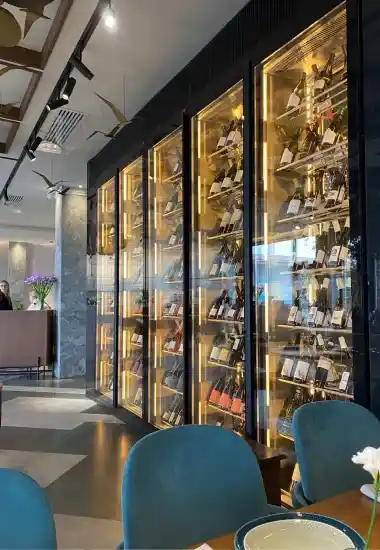
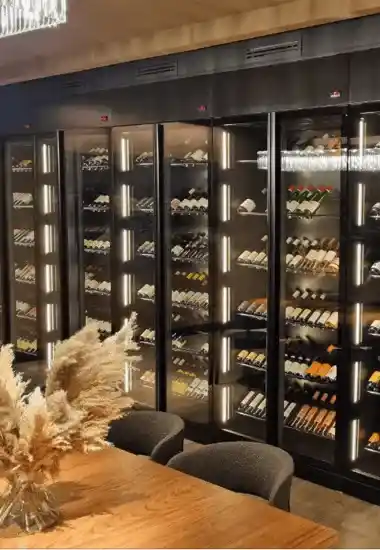
To create such a room, you can use an existing space or build a glass room that becomes both a functional storage area and a striking interior accent.
Our work
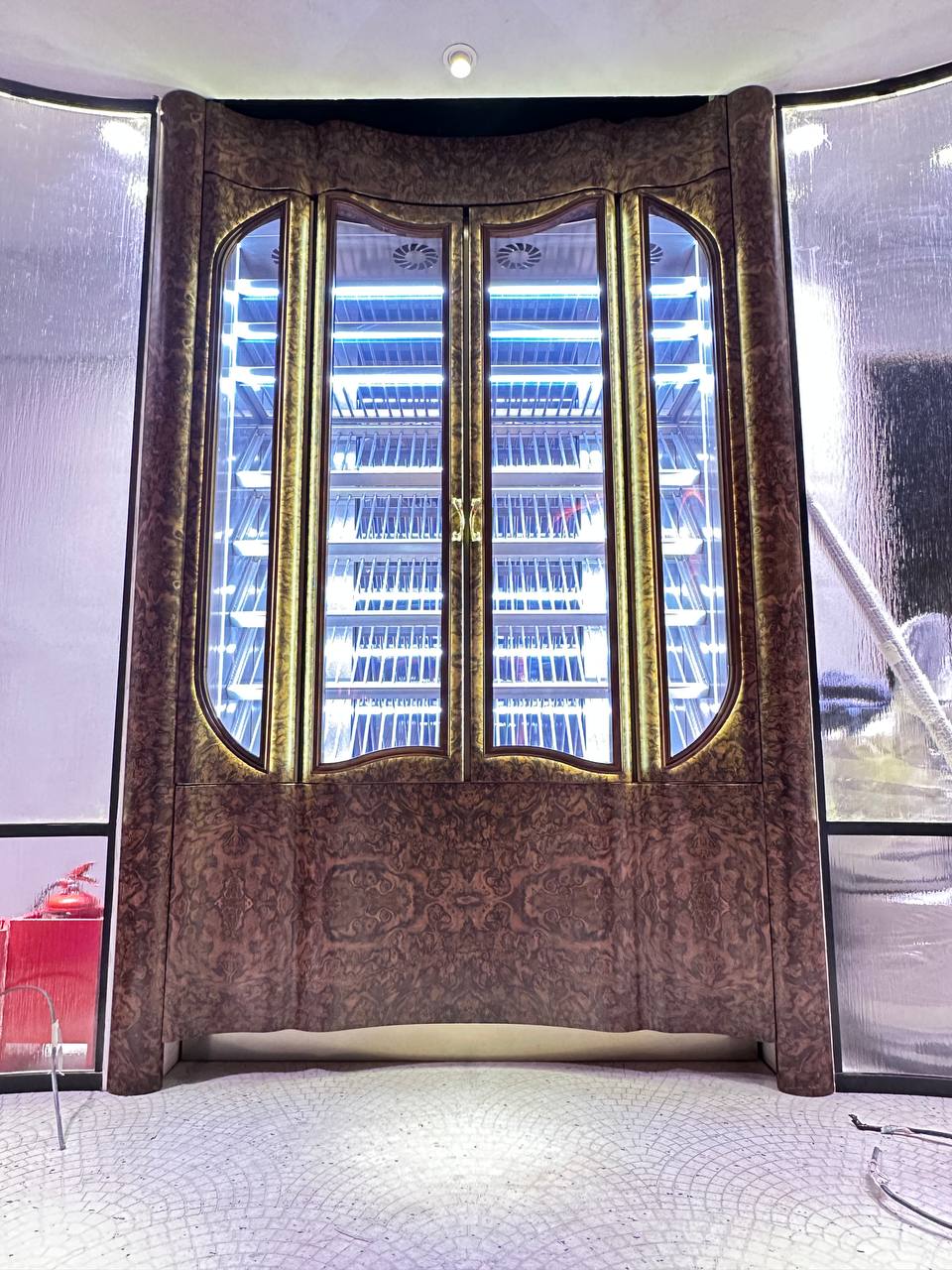
Moscow “Tommi Restaurant”
Open project page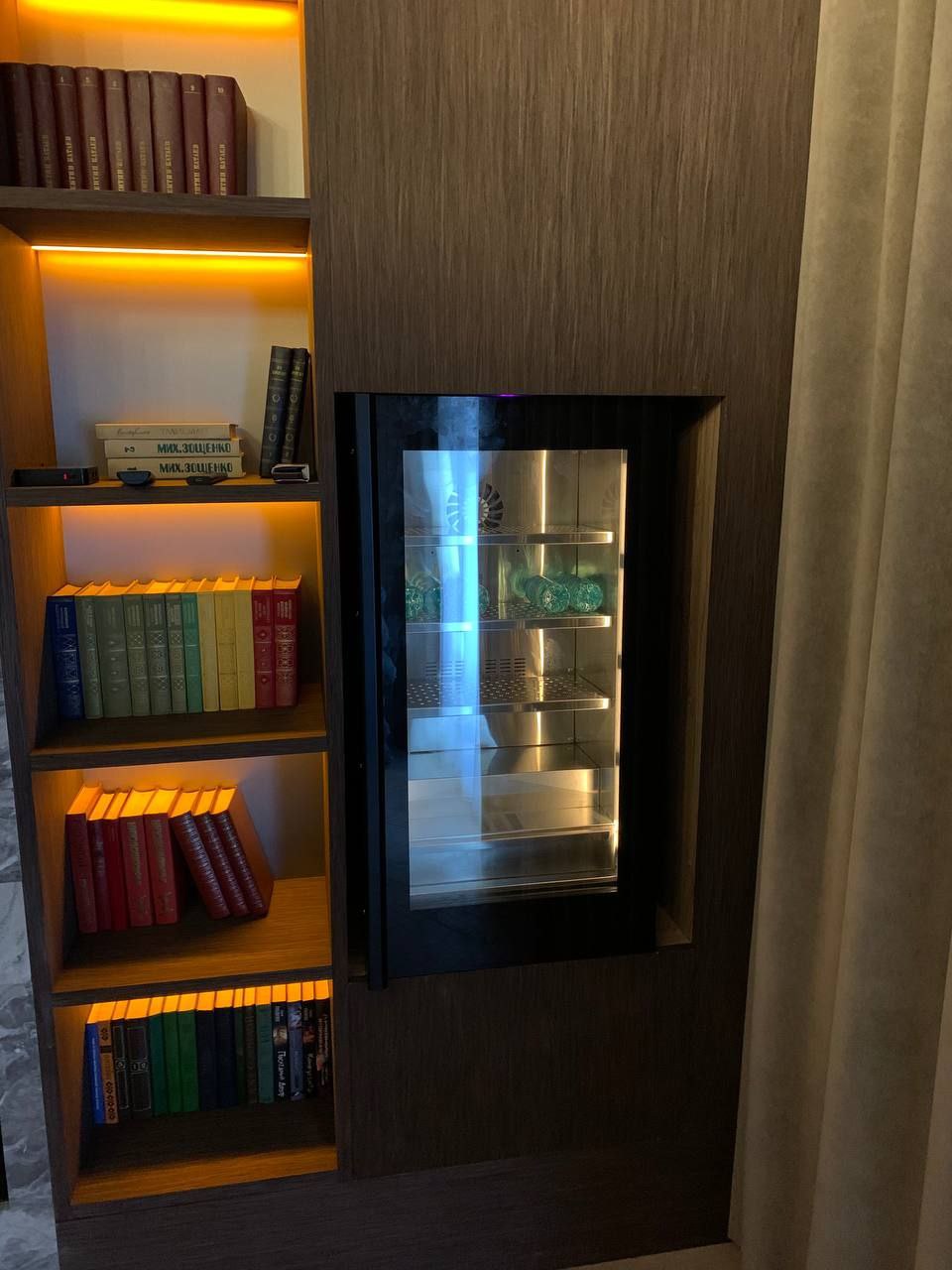
Moscow “Corporate Home Office”
Open project page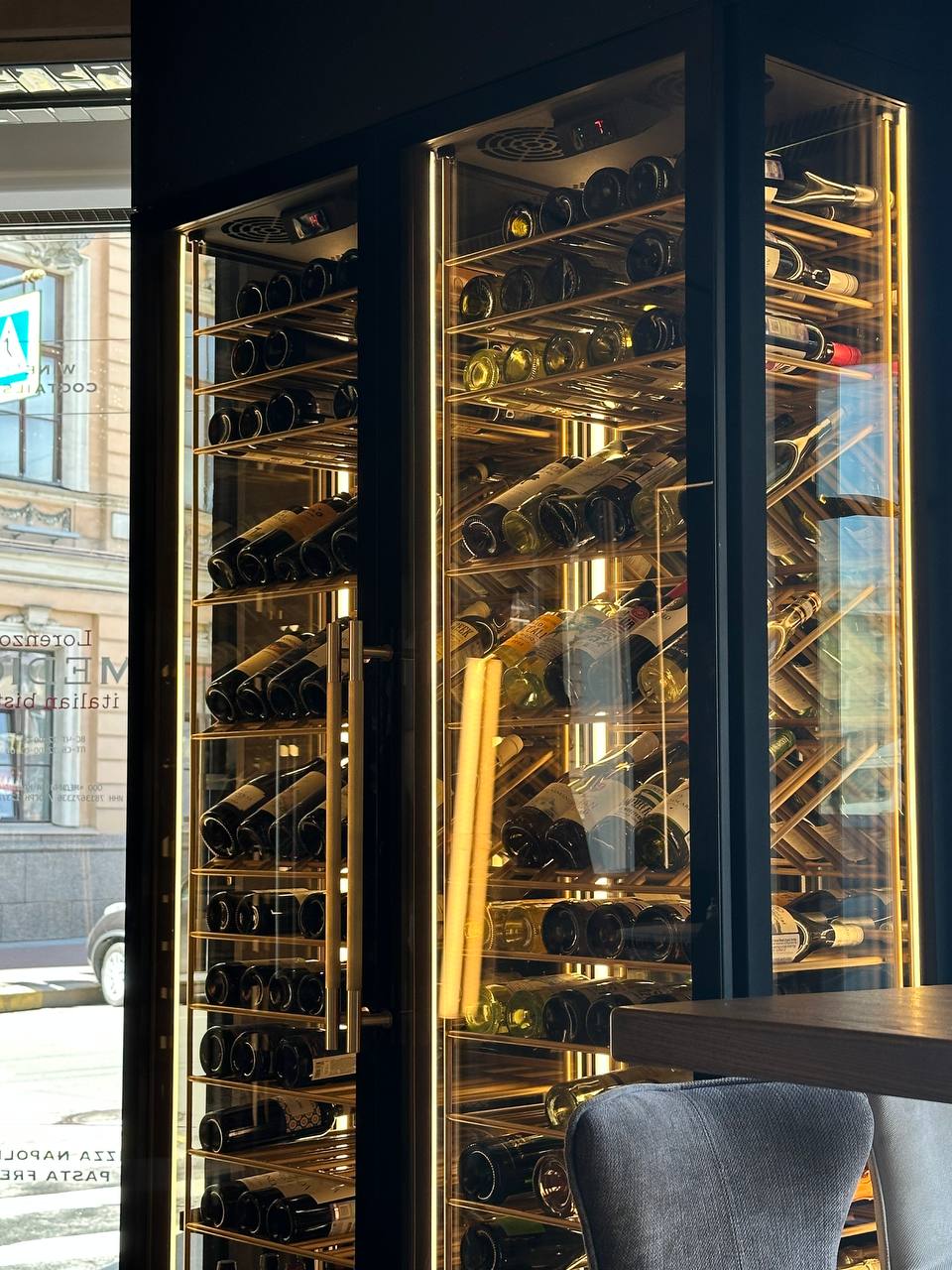
Saint Petersburg “Lorenzo Medici Restaurant”
Open project page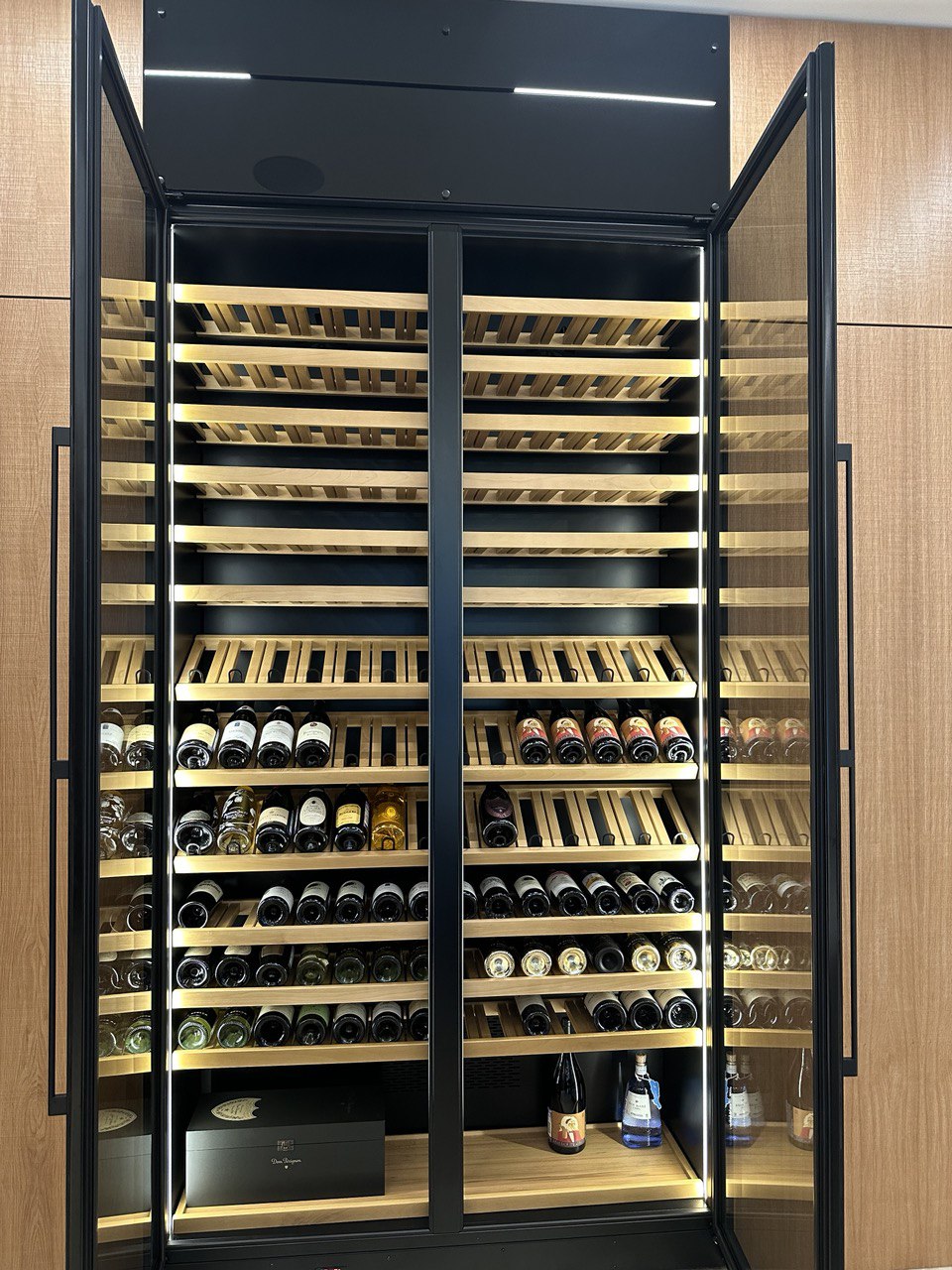
Saint Petersburg “Repino Private House”
Open project page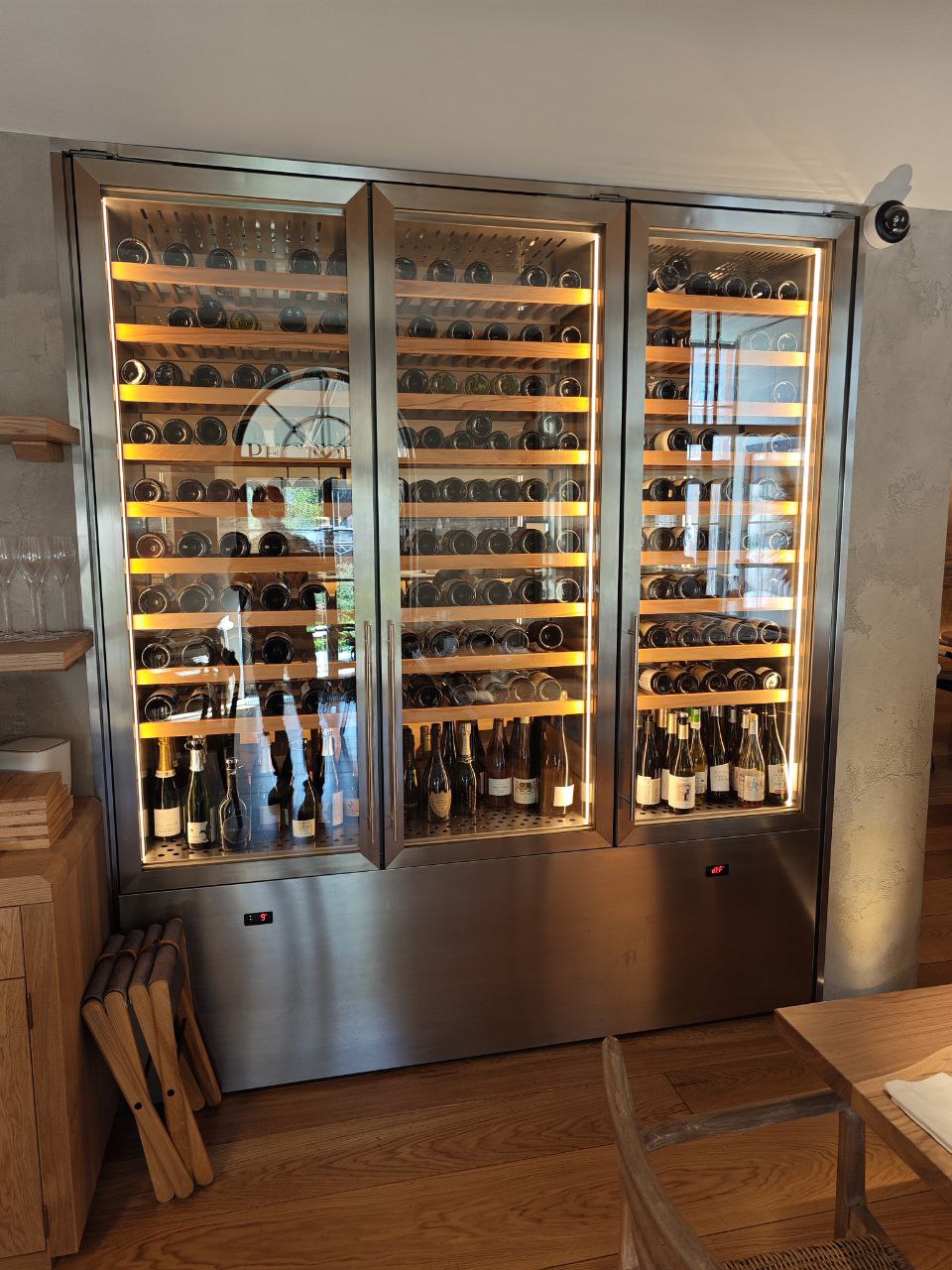
Saint Petersburg “Inner Restaurant”
Open project page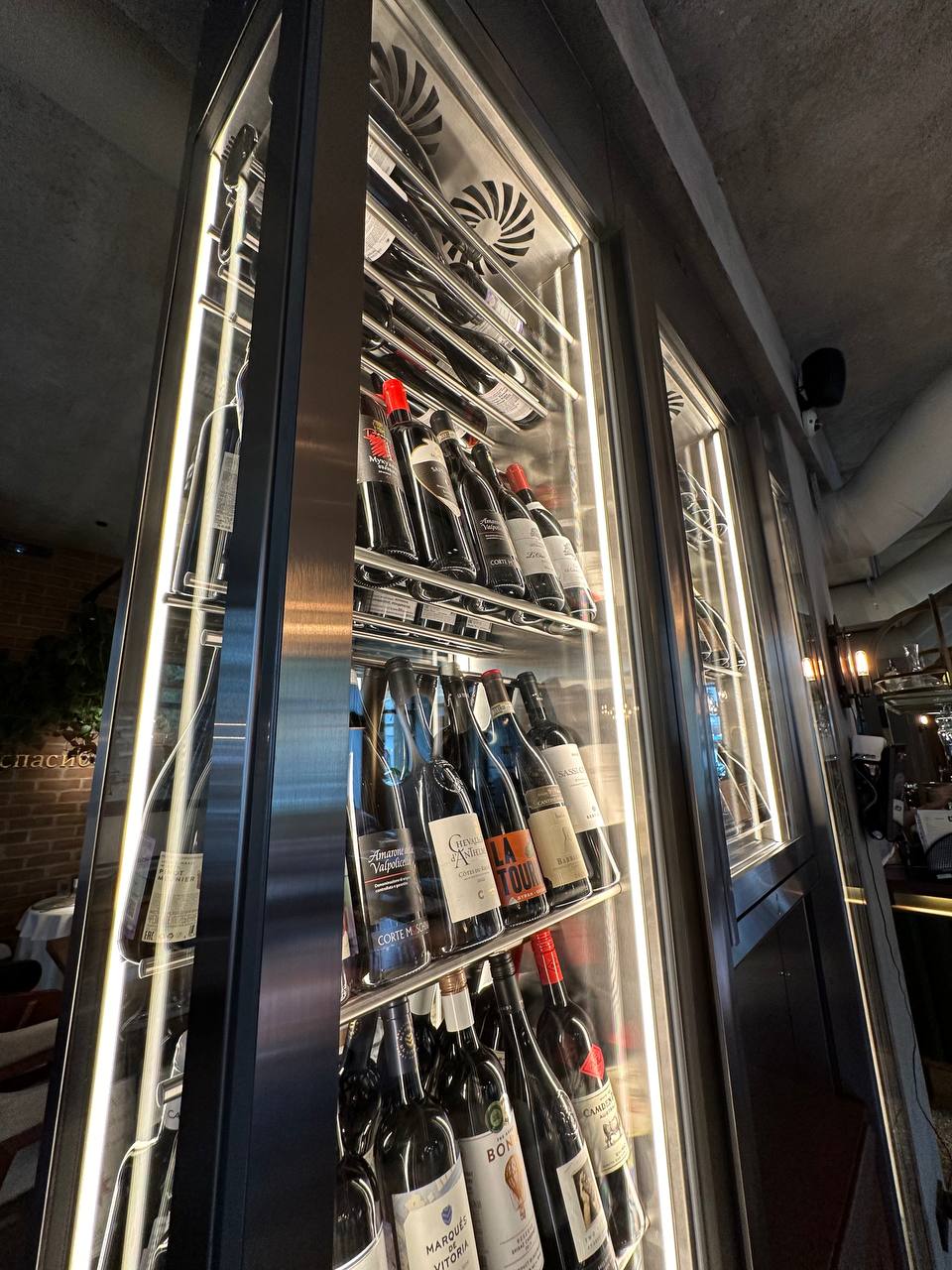
Moscow “Acha-Chacha Restaurant”
Open project page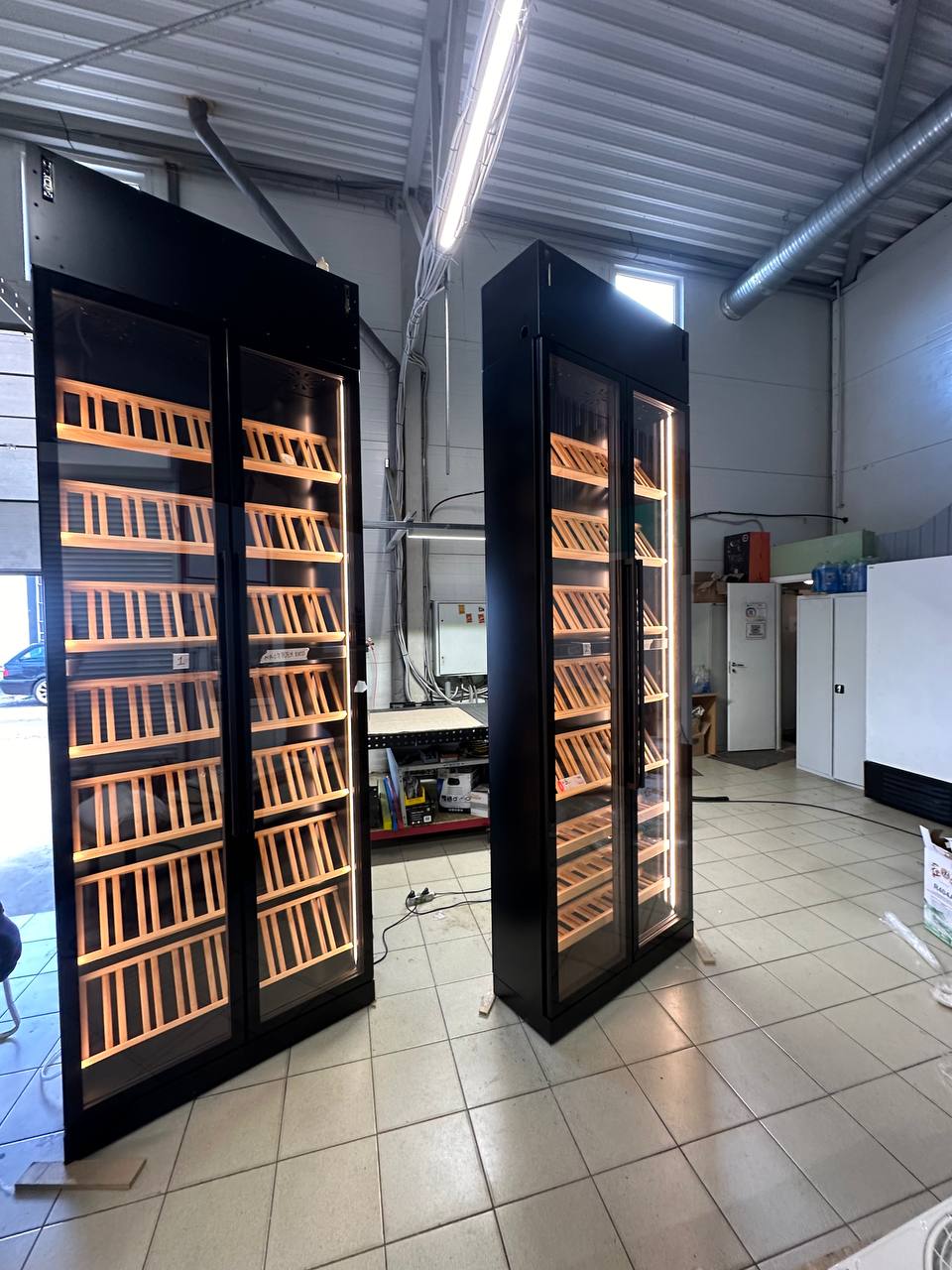
Crimea “Private House”
Open project page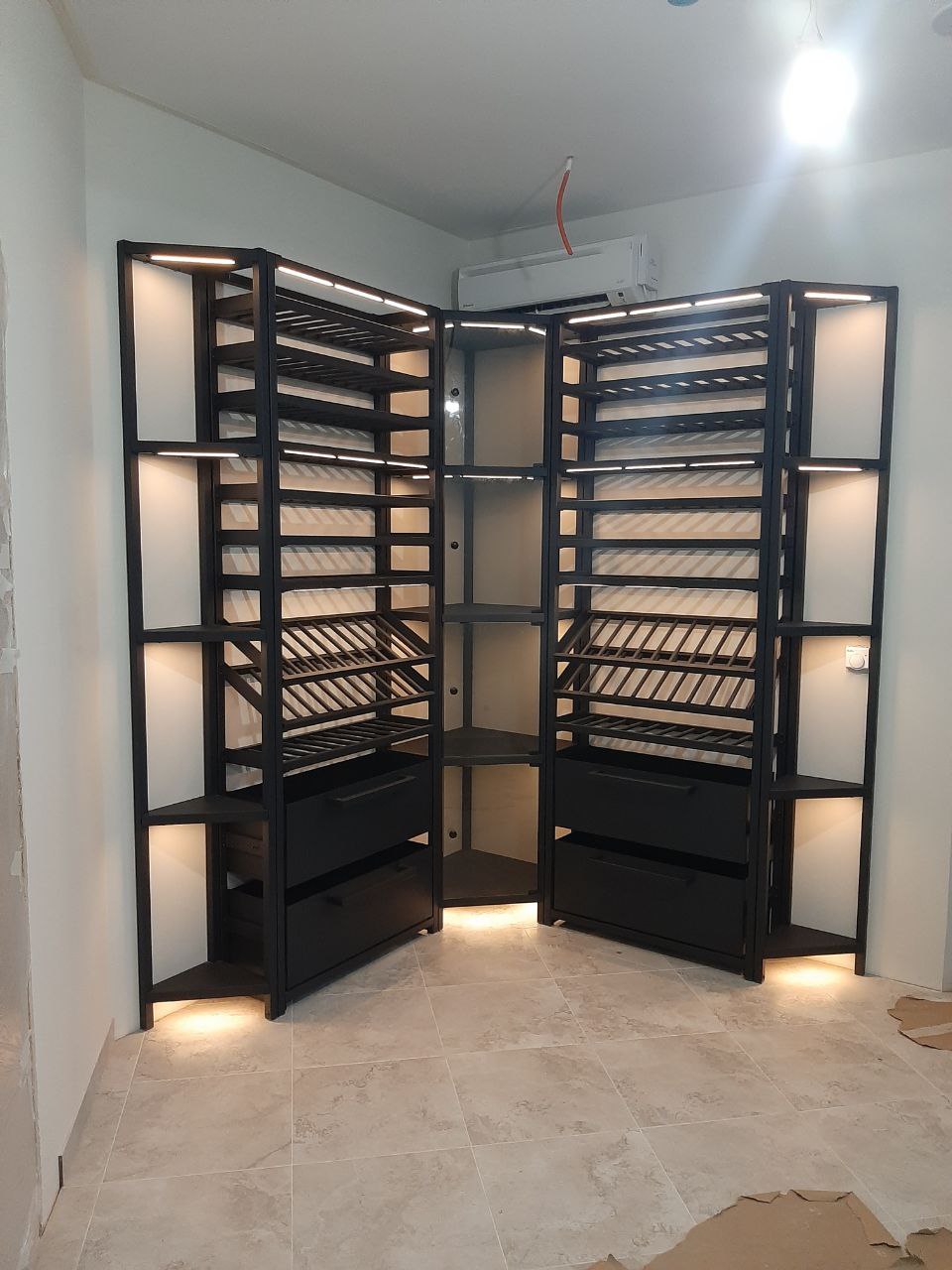
Saint Petersburg “Wine Room in Yantarny Bor”
Open project page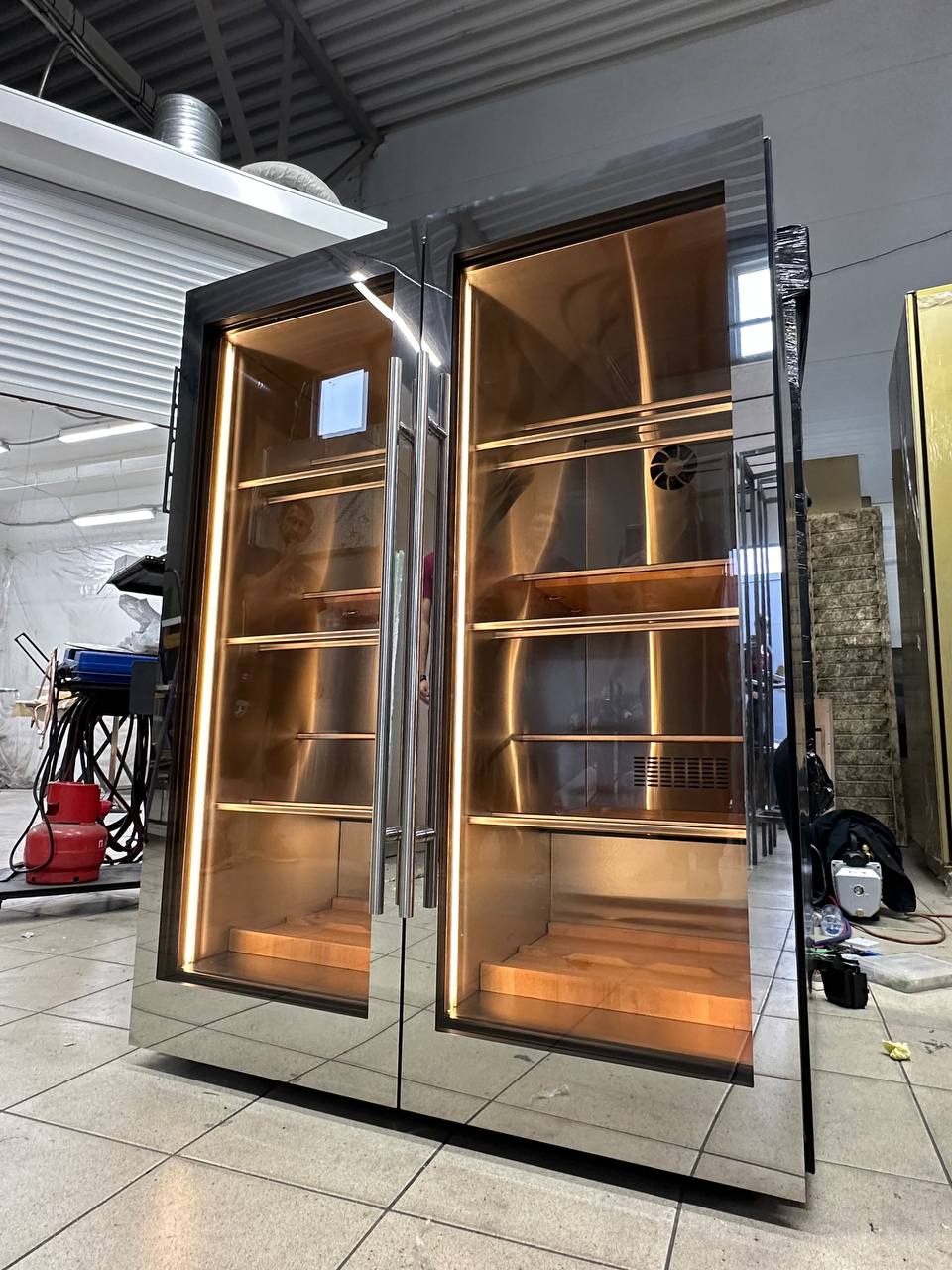
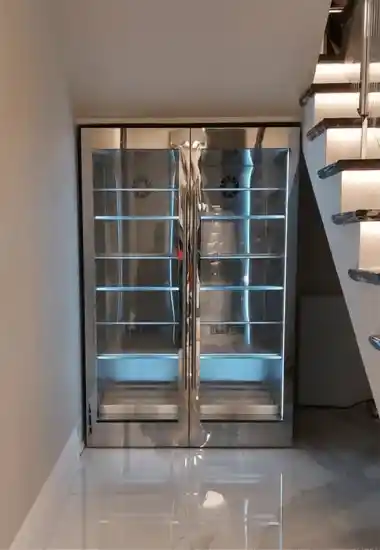
“Custom wine cabinet under stairs in Serebryany Bor”
Open project pageTechnical features of a wine room
In this section, we’ll cover some key points to consider when designing and building a wine room.
When designing and setting up a wine room, it’s important to meet a number of requirements to create the microclimate needed for proper wine storage.
One of the most important points is properly designed insulation, which helps maintain stable temperature and humidity inside the wine room.
You also need to choose the cooling system, decide on glazing, select the necessary door hardware, organize condensate drainage, and more.
Production stages
Design
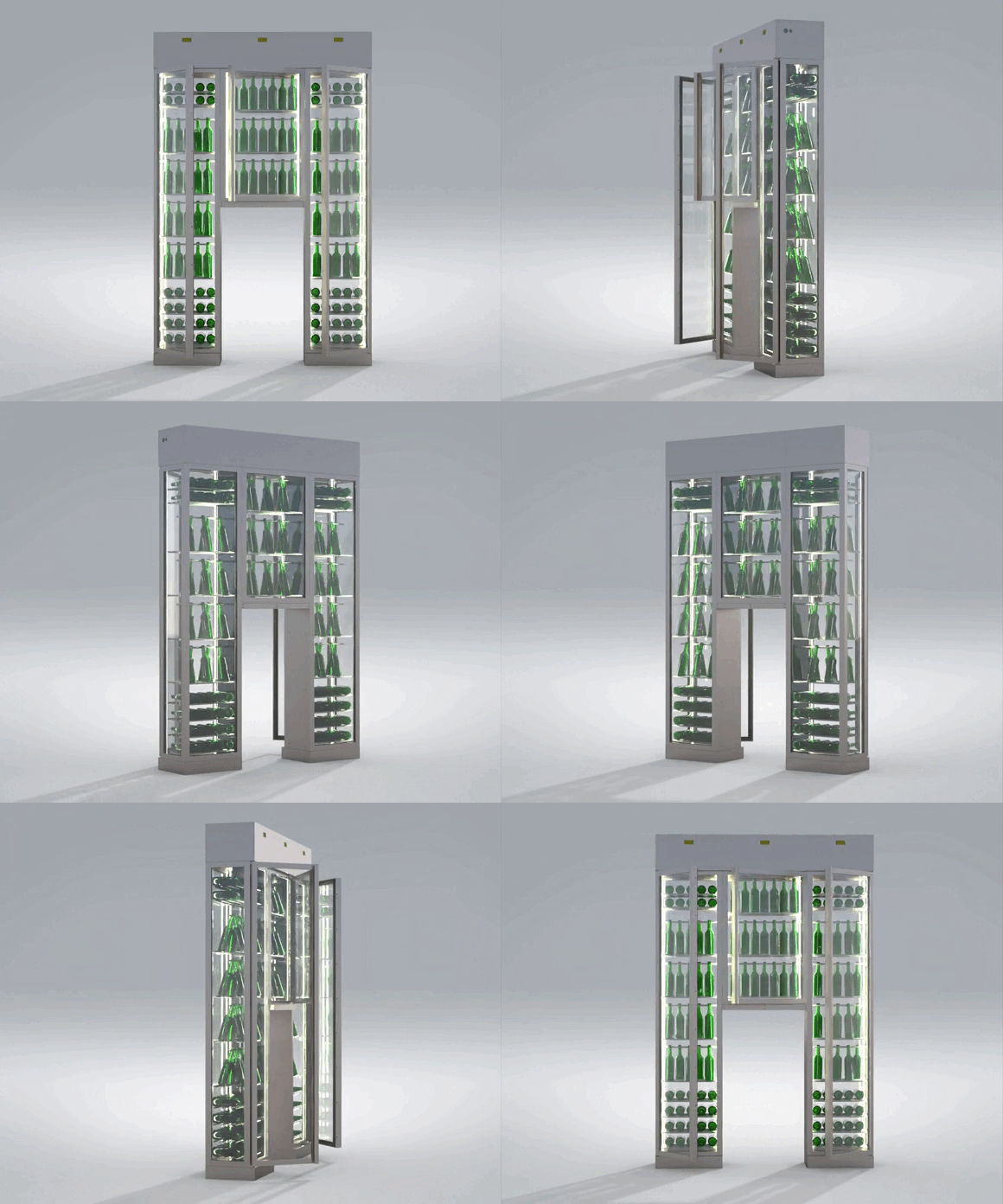
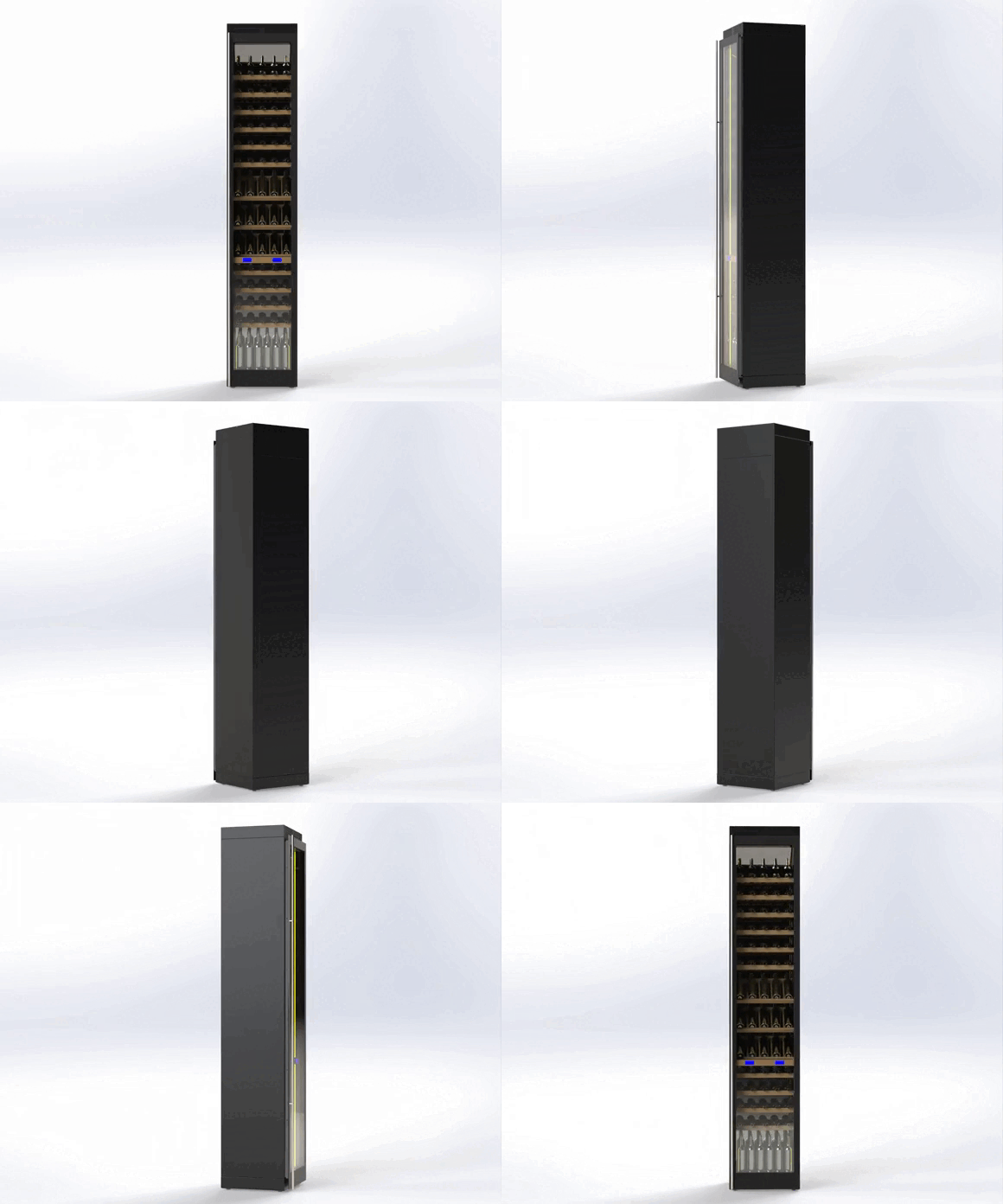
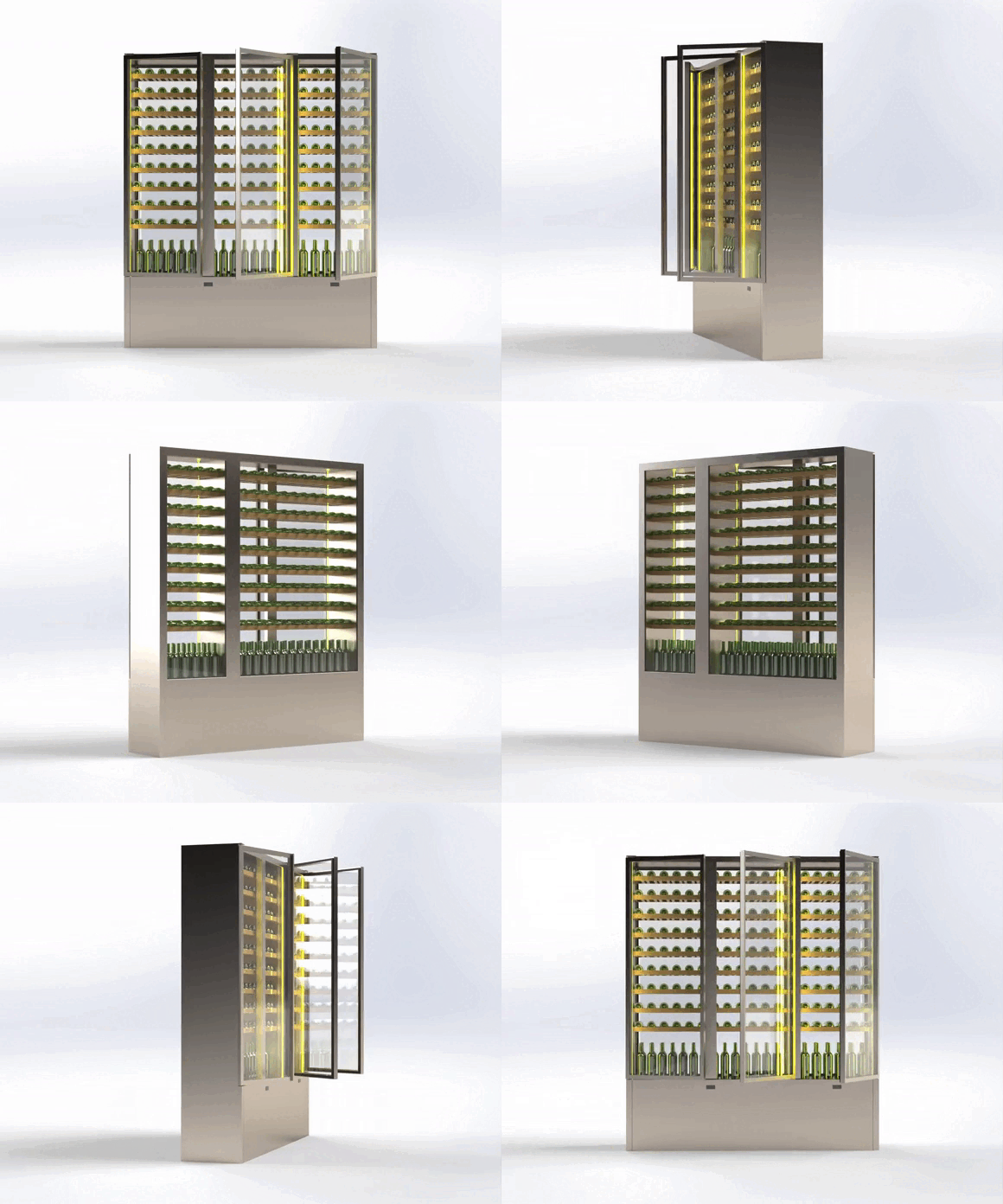
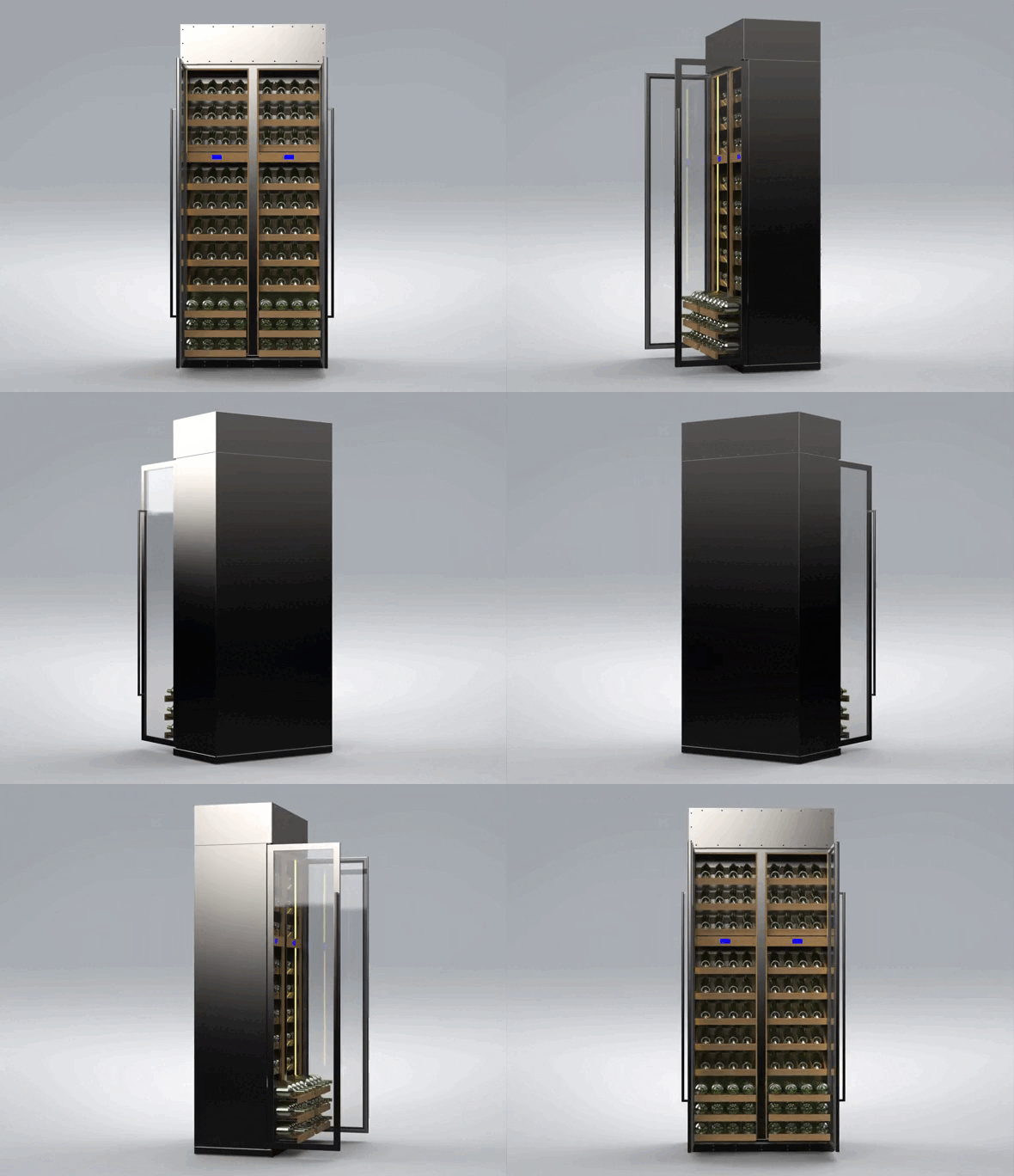
Designing a wine room starts with measurements and creating a 3D model. We prepare a full 360° visualization before production to approve the design. It’s important to consider that walls may be leveled and measurements can be taken at both rough and finished stages.
Insulation
Insulation is required if we want to maintain temperatures below 18°C and avoid significant heat loss. We use highly efficient PIR insulation with a thickness of 20–40 mm. If desired, walls can be plastered or finished with decorative panels made from a material approved with the designer.
Glazing
Insulated glass unit.
Using an insulated glass unit allows the temperature in a wine room to be lowered to +5°C. Both standard and energy-saving glass units can be used. Energy-saving glass units reduce heat loss several times. We work with glass units that use a special profile. If needed, we can also make glazing with a hidden profile (the supporting frame is behind the front glass).
Single-pane glass.
Glass with a thickness of 8–10 mm can be used for glazing. It has a relatively high heat transfer coefficient, so it’s not possible to achieve temperatures below 12–14°C. Single-pane glass also makes it harder to achieve a fully airtight construction due to gaps between the glass and door hardware. The best solution is using special seals; the seal types are agreed with the client. Since seals can affect the look, the glass can be decorated with various trims.
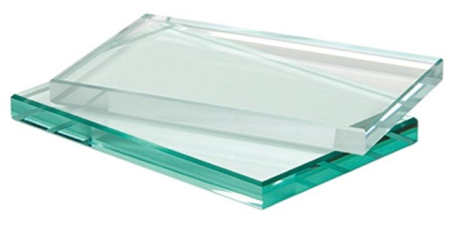
Standard glass
has a slight green tint and is used for budget glazing
Crystalvision glass
the most premium option: fully transparent with no edge tint
Optiwhite glass
clear without a green tint, but with a slight blue edge
If desired, tinted glass can be used in grey or bronze (samples are available in our office).
For glass structures, we use only tempered glass, which breaks into many small pieces when damaged and helps reduce the risk of injury.
Hardware selection
On the market, hardware is typically represented by Chinese and European manufacturers. We believe it’s not worth saving on such a critical component, so we recommend higher-quality hardware to help prevent excess humidity. Visible hardware is always approved with the designer, since it is often not shown in renderings.
The door can be equipped with a stopper and a closer. They are often placed in a special recess in the floor.
Cooling system
There are two main types of cooling systems: a monoblock and a split system.
Monoblock

In monoblocks, the evaporator and compressor are housed in a single unit. They are used less often in wine rooms and cellars, but their key advantage is compactness.
Split system

This option is installed more often. It works like a regular air conditioner and consists of an indoor and an outdoor unit connected by a copper line, typically up to 30 m long. If needed, we can design non-standard line lengths. We use both European split systems and units produced at our own facility.
Inverter compressors

If desired, we can use advanced inverter compressors to provide more precise temperature control and reduce energy consumption.
Condensate drainage
When refrigeration equipment operates, condensate always forms on the radiator and must be removed. This requires an individual approach, as it depends on where the discharge point can be located.
When connecting to a sewer pipe, a special trap must be installed and accessible to prevent odors from entering the wine room.
It’s important to use a dedicated drainage hose that does not degrade over time. Silicone hoses should not be used, as they can crack, dry out, and fail.
If gravity drainage is not possible, drainage pumps with the required capacity are used.
Storage systems
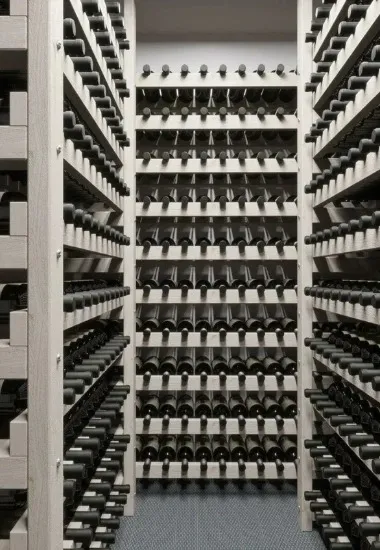
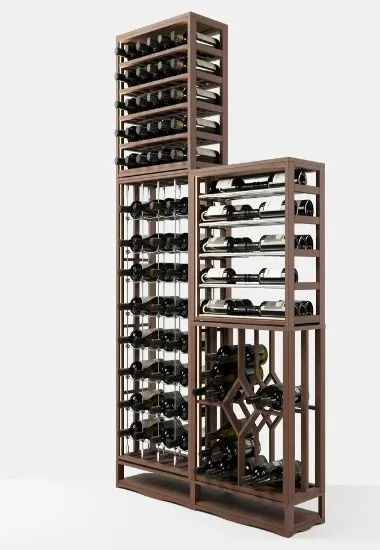
There are many wine storage systems. They can be divided into wooden, metal, and acrylic solutions.
When designing and manufacturing a wine room, many details must be considered — they affect both the appearance of the room and the quality of wine storage.
We’re proud of the results of our work created through bespoke projects for restaurants and private collectors.
Need help from a custom wine room specialist?
We’ll quickly and professionally answer any questions about custom wine rooms, suggest options, and discuss production and installation details. Contact us to get an individual solution for storing and showcasing your wine collection.
Get a consultation
Our strengths
“Winekeys” delivers premium-quality equipment: warranty, exclusive technology, and a modern, convenient design for your space.

Personalized approach
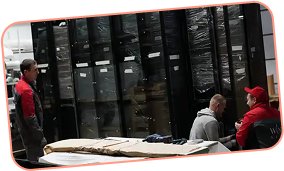
In-house production
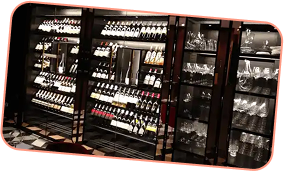
Turnkey solution
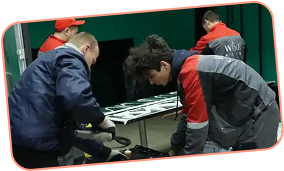
In-house service
Stages
Request
We process your request within 30 minutes and clarify the requirements
Development
Technical documentation and design approval
Site visit
Discussing project details with the client, measurements
Estimate
Preparing an initial estimate based on your inputs
Production
Manufacturing equipment according to the approved specification
Delivery & service
Final setup, installation, and commissioning
Projects


Reviews